Skirt Calculator

Free pleat calculator · 1:1 fold-mark ruler

Pleat Calculator (Skirts & Curtains)

Enter the finished waistband or curtain width and the pleat size you want. Get the exact pleat count, fold spacing, flat fabric width, yardage and a printable 1:1 marking ruler.

  • Knife, box, inverted & curtain
  • Inches or centimeters
  • Printable fold-mark ruler
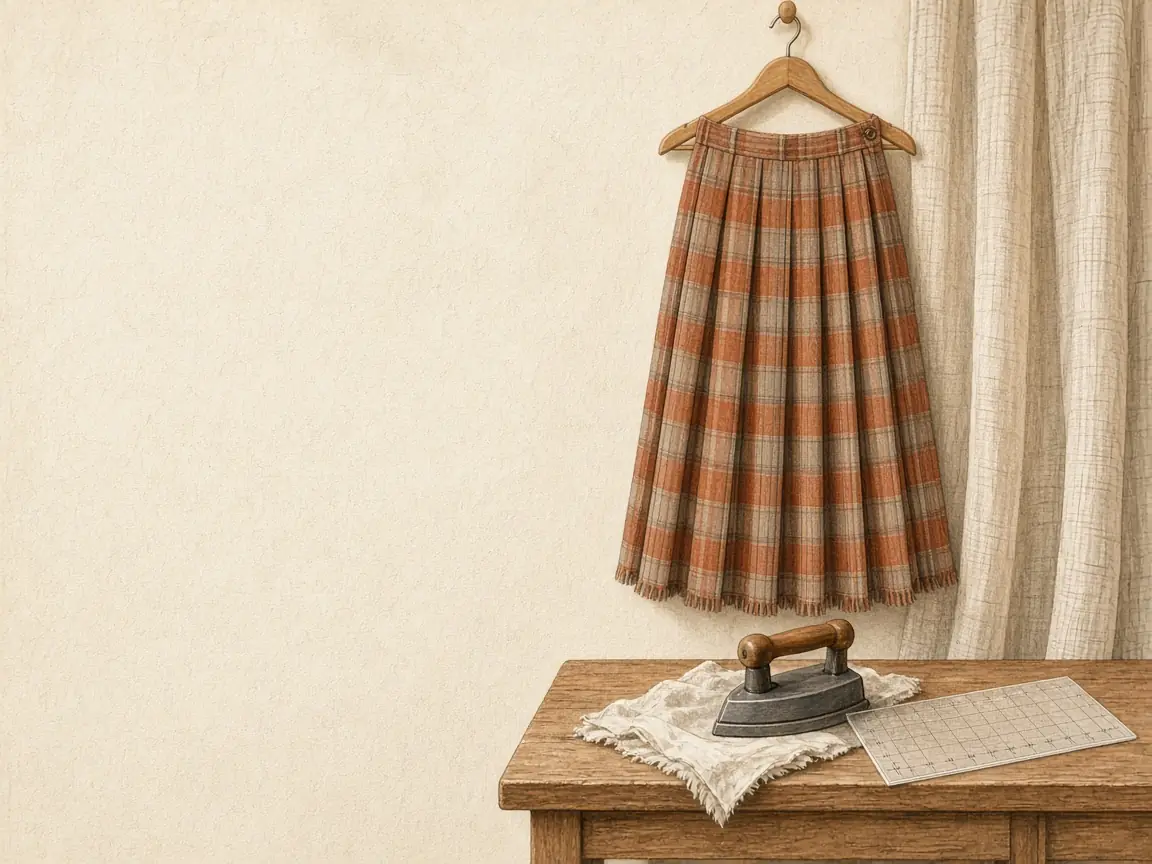
Illustration of a plaid pleated skirt on a hanger beside a sheer curtain, with an iron and a pleat ruler on a side table

Your measurements

Units
Pleat type
in
Plan by
in
in
blank = pleat width
in
in
in
in
in
45" or 60" bolts are common
Pleats
19
each 1 1⁄2" wide
Flat fabric width
85 1⁄4"
216.5 cm
Fold depth
1 1⁄2"
fabric per pleat 4 3⁄8"
Fabric widths to join
2
cut length 22 1⁄8"
Fabric to buy
1 1/4 yd
1.2 m

Fold marks (first 4 pleats)

M = mountain fold (fold toward you)V = valley fold (bring to the mark)
0"1"2"3"4"5"6"7"8"9"10"11"12"13"14"15"16"17"18"MVMVMVMVfirst mark at 2 1⁄8" from the cut edge · inches
#FoldMark at (in)Alt
1Mountain2 1⁄8"5.3 cm
1Valley3 5⁄8"9.1 cm
2Mountain6 1⁄2"16.6 cm
2Valley8"20.3 cm
3Mountain11"27.8 cm
3Valley12 3⁄8"31.5 cm
4Mountain15 3⁄8"39.0 cm
4Valley16 7⁄8"42.8 cm
5Mountain19 3⁄4"50.2 cm
5Valley21 1⁄4"54.0 cm
6Mountain24 1⁄4"61.5 cm
6Valley25 5⁄8"65.2 cm

…26 more marks on the printable ruler.

The ruler prints the full flat width at 1:1 in strips you tape end to end, with every fold marked.

  • Free, no sign-up
  • Runs in your browser — nothing uploaded
  • True-scale 1:1 ruler with test squares
  • Inches & centimeters

Pleat types

Knife, box or inverted?

All three use the same amount of fabric for the same pleat size and depth — only the fold direction changes. The fold diagrams are drawn by the calculator for a 28" waist with 1 1/2" pleats.

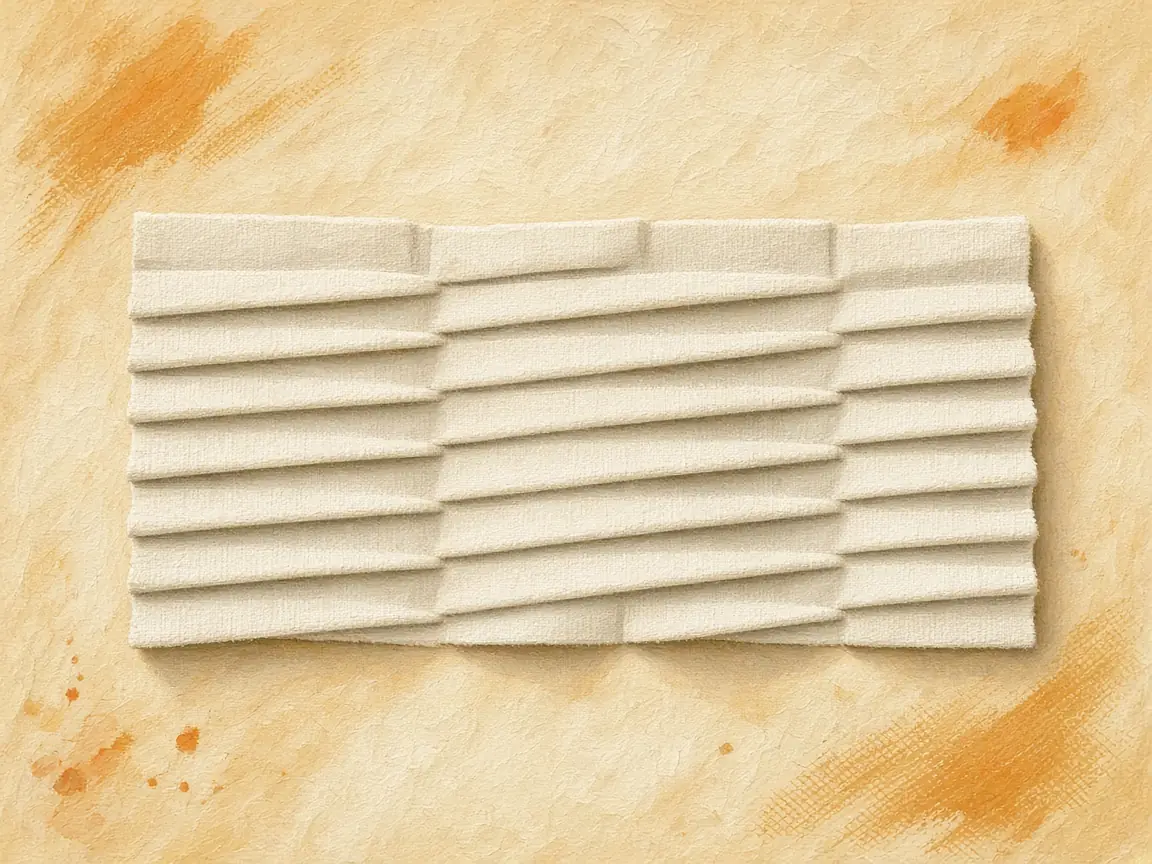
  • Illustrated fabric swatch folded into knife pleats that all face one way

    Knife pleats

    All folds face the same way — the classic kilt and school-uniform look. Easy to mark and press.

    0"1"2"3"4"5"6"7"8"9"10"11"12"13"14"MVMVMVfirst mark at 2 1⁄8" from the cut edge · inches
    Use knife pleats
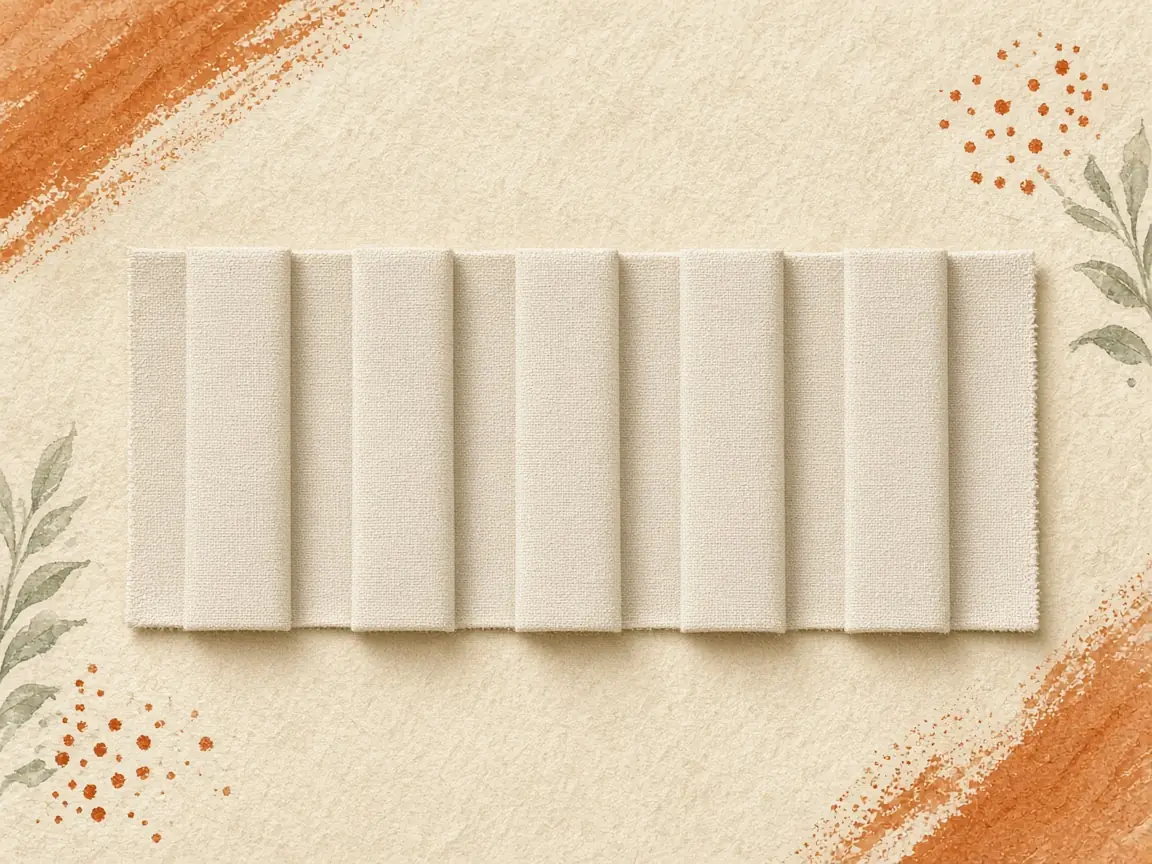
  • Illustrated fabric swatch with box pleats forming flat panels

    Box pleats

    Two folds turn away from each other, leaving a flat panel on the outside. Structured and tailored.

    0"1"2"3"4"5"6"7"8"9"10"11"12"13"14"MMVVMMVVMMVVMfirst mark at 5⁄8" from the cut edge · inches
    Use box pleats
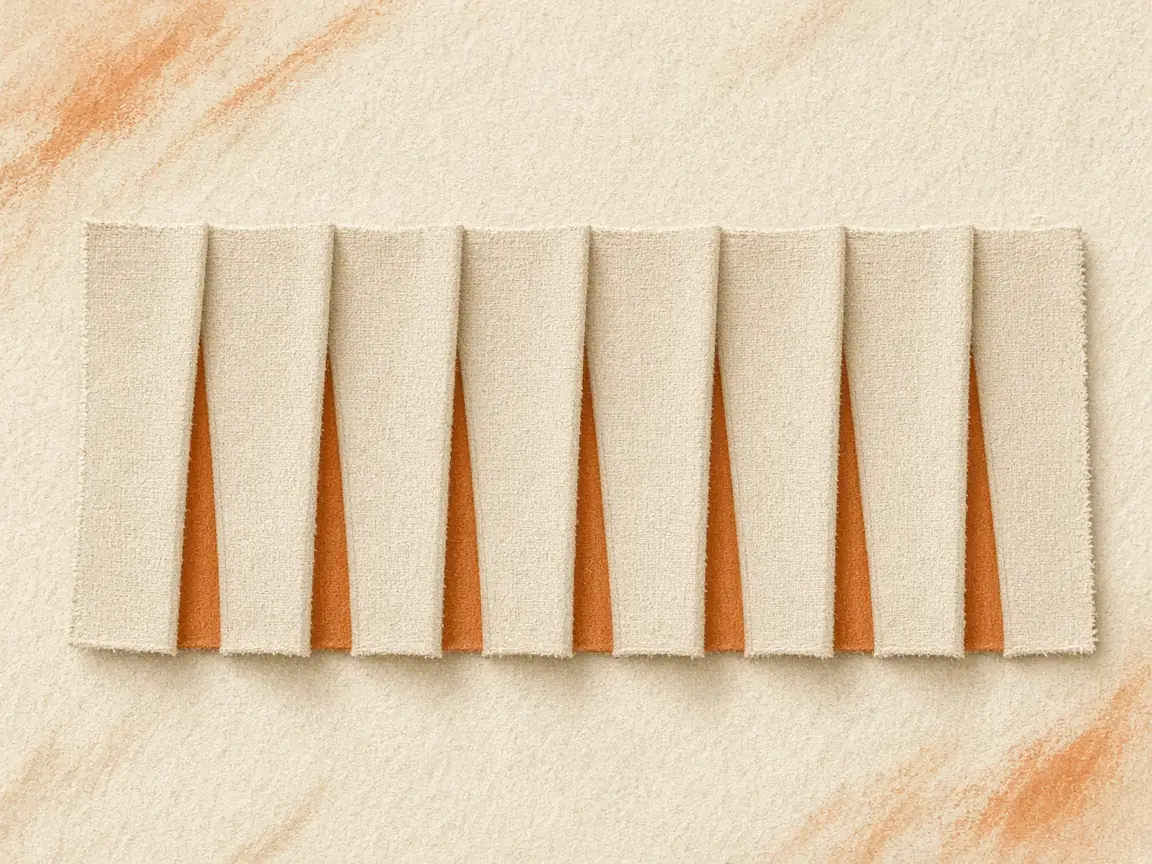
  • Illustrated fabric swatch with inverted pleats, contrast fabric showing inside each fold

    Inverted pleats

    Two folds meet in the middle, so the fullness sits behind. Smooth front, swing when you walk.

    0"1"2"3"4"5"6"7"8"9"10"11"12"13"14"VVMMVVMMVVMMVfirst mark at 5⁄8" from the cut edge · inches
    Use inverted pleats
Knife, box and inverted pleats compared
FeatureKnifeBoxInverted
Fold directionAll one wayPairs turn away from each otherPairs meet in the middle
Outside lookOverlapping foldsFlat panelsSmooth with hidden fullness
Fabric per pleatP + 2DP + 2DP + 2D
28" waist, 1 1/2" pleats, D = P19 pleats · 85 1⁄4" flat19 pleats · 85 1⁄4" flat19 pleats · 85 1⁄4" flat
Typical useKilts, tennis & uniform skirtsTailored skirts, curtainsSkirt fronts, coat backs

How it works

Pleats in four steps

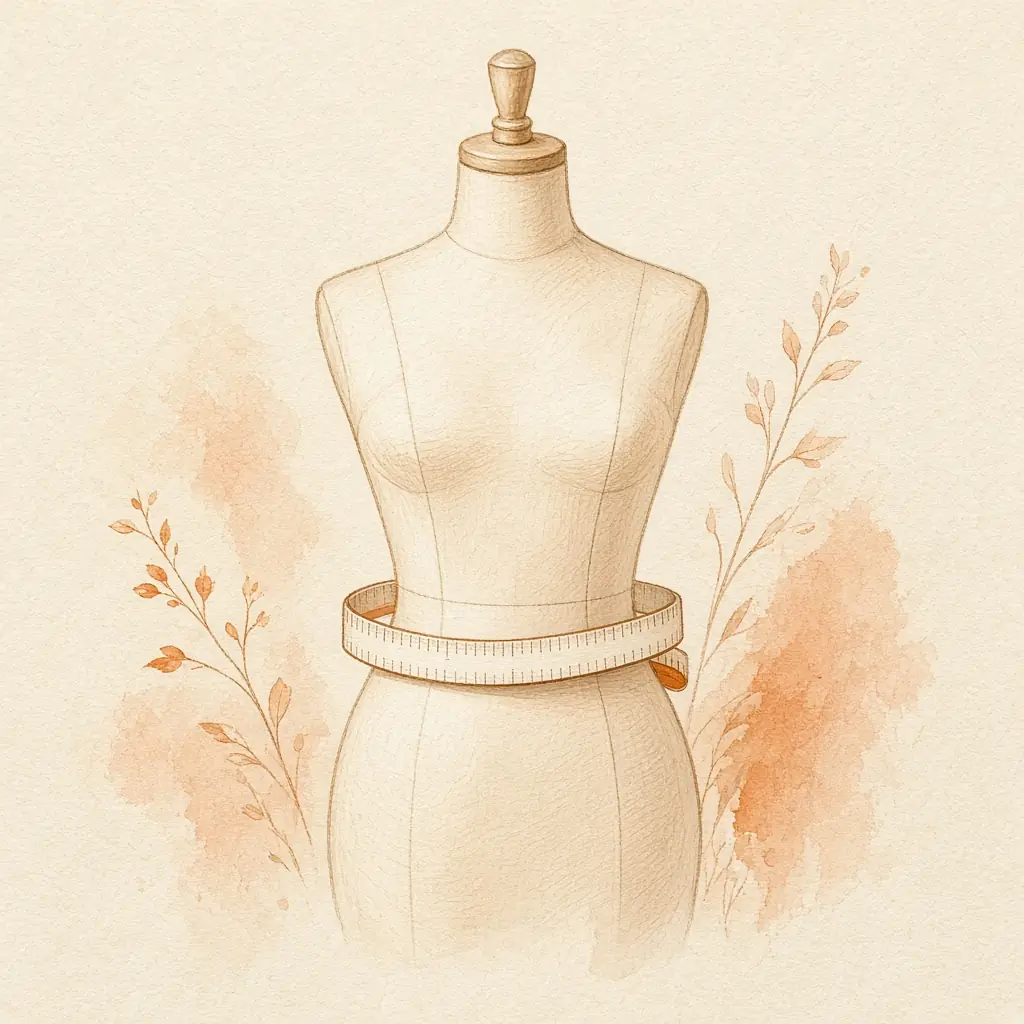
  1. Illustration of a dress form with a tape measure around the waist

    Step 1: Measure

    Measure the finished width the pleats must fit — your waist plus ease, or the rod width a curtain panel covers.

  2. Illustration of hands holding a phone with a calculator app

    Step 2: Enter

    Choose knife, box, inverted or curtain, then enter a pleat width or a pleat count. The calculator rounds to whole pleats that divide the width evenly.

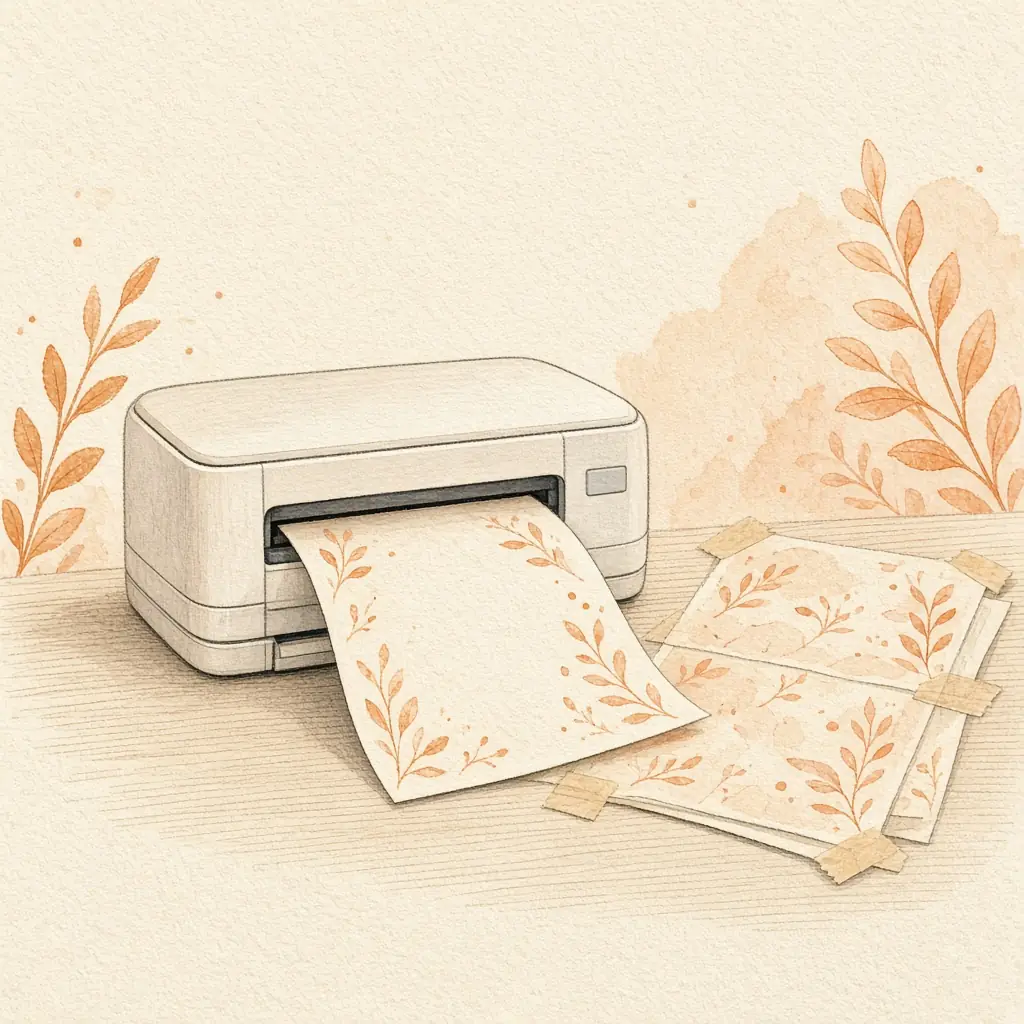
  3. Illustration of a printer printing pattern pages that are taped together

    Step 3: Print the ruler

    Download the ruler PDF, print at 100%, check the test squares and tape the strips end to end.

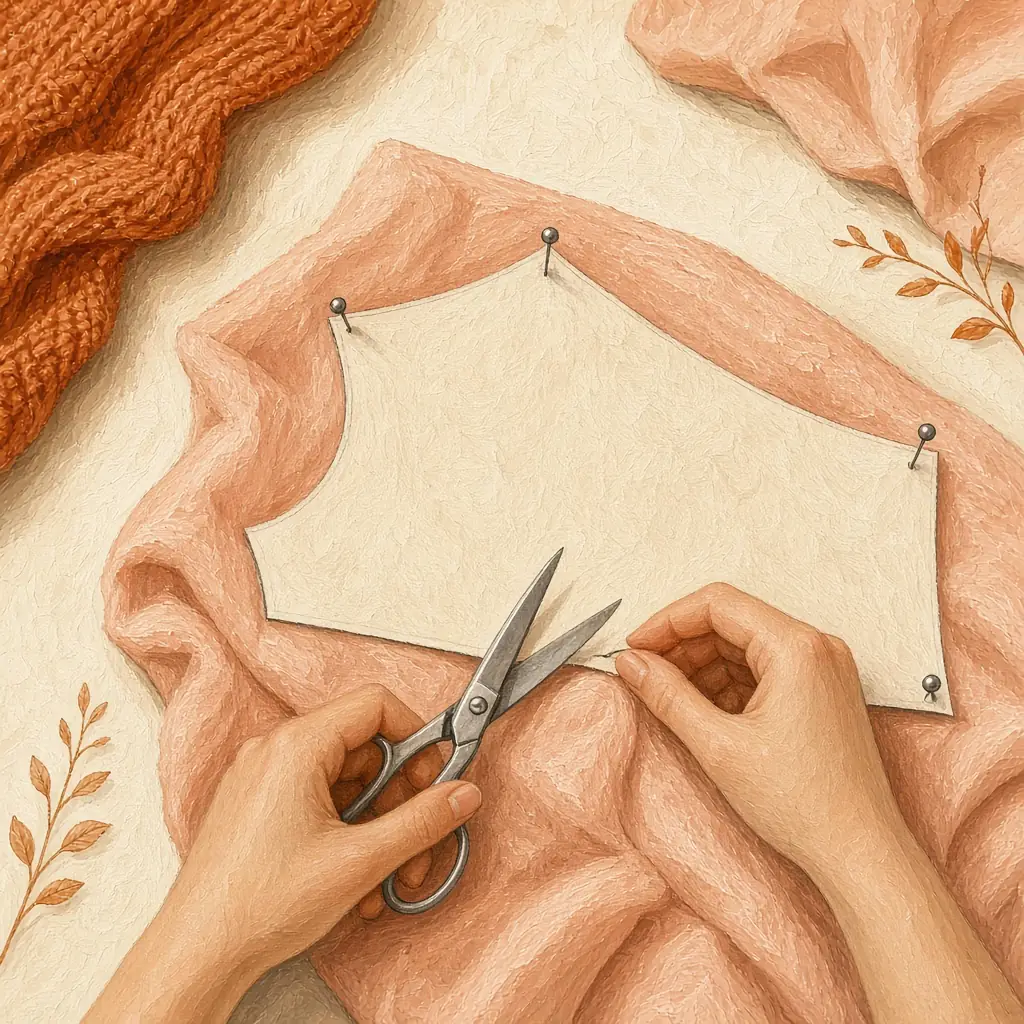
  4. Illustration of hands cutting fabric around a pinned paper pattern

    Step 4: Cut, mark & press

    Cut the flat width, transfer the M and V marks to the fabric edge, fold, press and baste across the top.

Ruler, math & curtains

From numbers to pressed folds

A printable ruler, two simple formulas and a curtain mode — everything the results panel gives you.

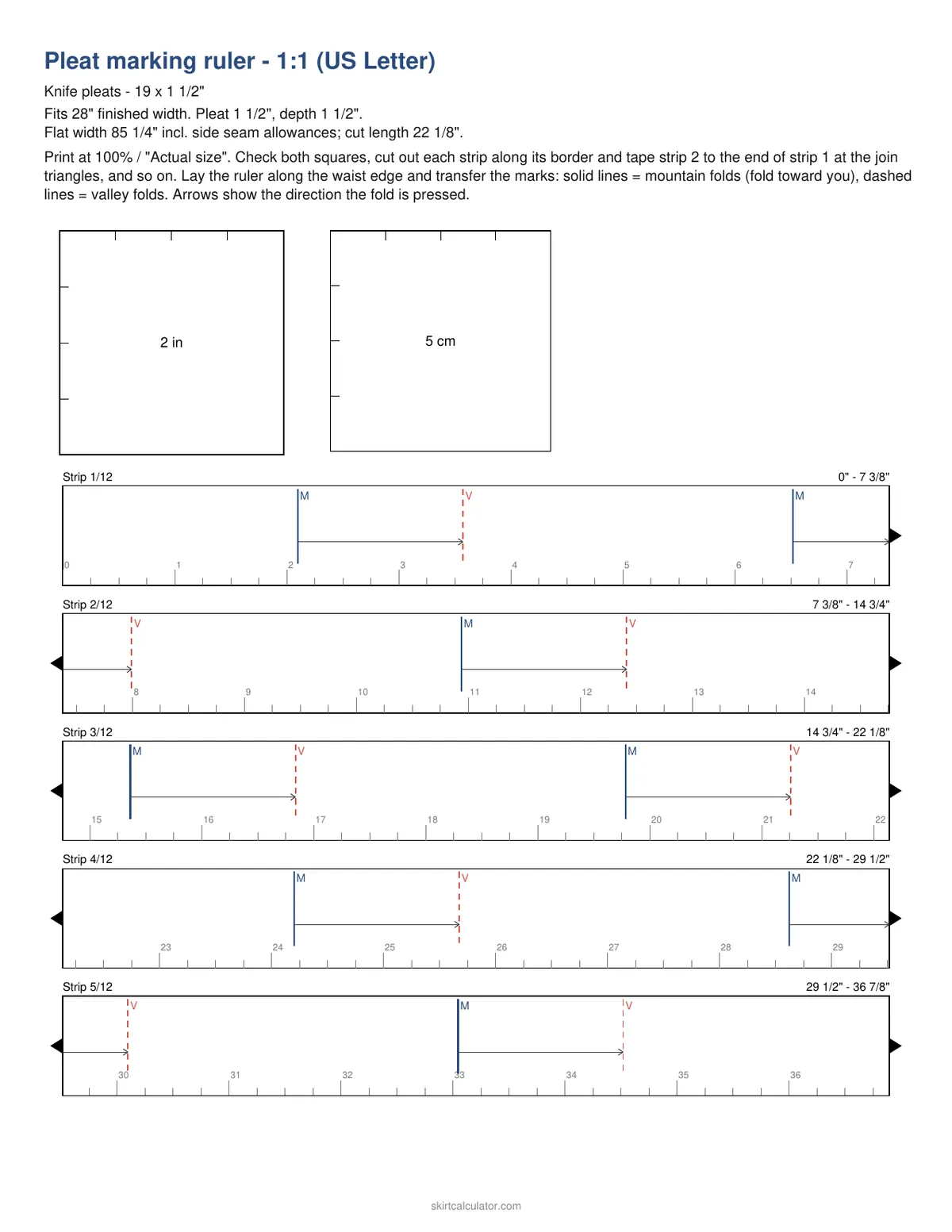
Page 1 of the printable pleat ruler PDF: test squares and numbered ruler strips with mountain and valley fold marks for 19 knife pleats

Printable

Your printable pleat ruler

Measuring every fold with a tape is where pleats go wrong. Download a 1:1 PDF ruler, tape the strips end to end along the waist edge and transfer the marks with chalk or pins.

What is printed on the ruler
  • Solid lines (M) are mountain folds; dashed lines (V) are valley folds. Arrows show the press direction.
  • 2" and 5 cm test squares on page 1 confirm you printed at 100%.
  • Numbered strips with join triangles, on US Letter or A4. The preview is page 1 of the real PDF for the 19-pleat, 28" knife example.
0"1"2"3"4"5"6"7"8"9"10"11"12"13"14"MVMVMVfirst mark at 2 1⁄8" from the cut edge · inches
First three knife pleats: solid = mountain, dashed = valley

The math

Each pleat uses P + 2D of fabric

A pleat tucks two layers of depth D behind the visible width P. With D = P you need three times the waist: 28" with 1 1/2" knife pleats becomes 19 pleats and 85 1⁄4" of flat fabric.

Show the pleat formulas and fold-mark key
pleats N = round(W ÷ desired width)
exact width P = W ÷ N
flat width = W + 2 × N × depth + 2 × side SA
fabric widths = ceil(flat width ÷ usable fabric width)

Exact width for the example: P = 28 ÷ 19 = 1.474". Box and inverted pleats use the same fabric; only the fold direction changes.

M (solid) — crease so the line is on the outside edge of the fold. V (dashed) — where the fold lands; bring the mountain fold to it.

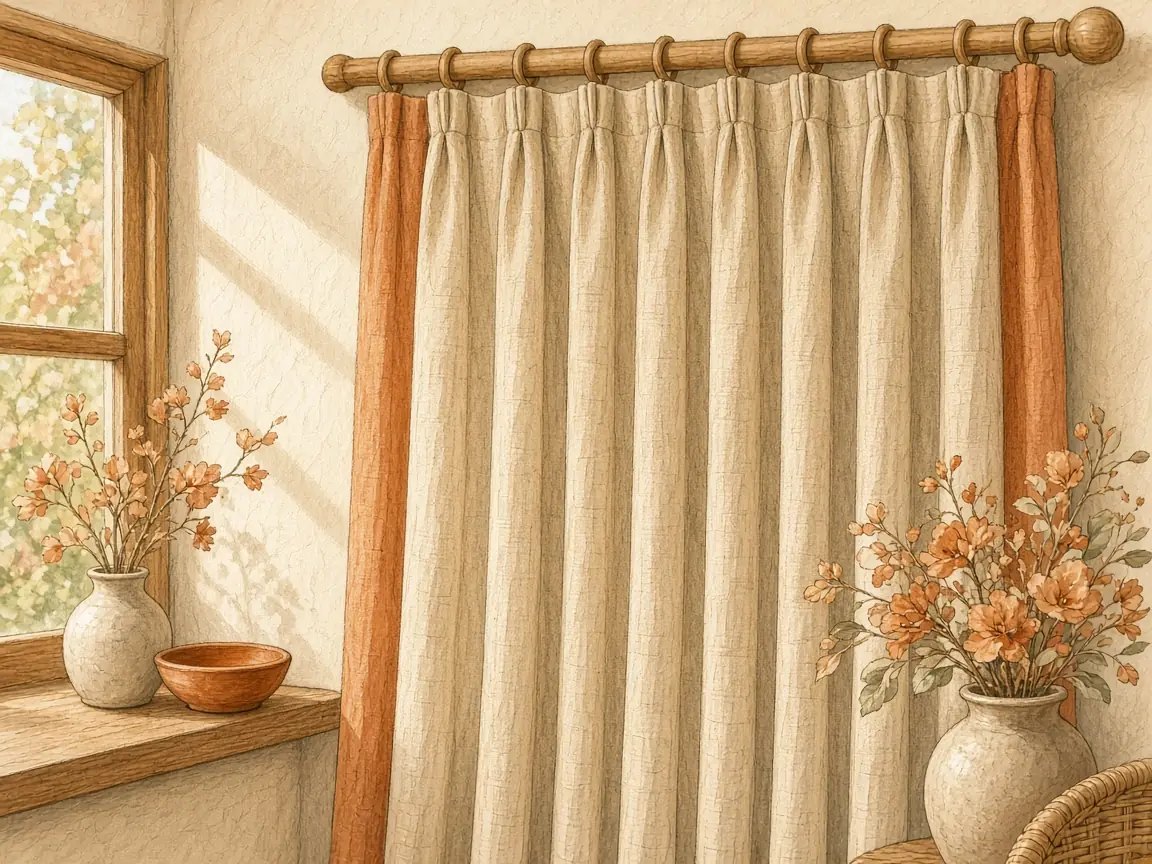
Illustration of cream pinch-pleat curtains on a wooden rod beside a window

Curtains

Pinch-pleat curtains, evenly spaced

Switch to Curtain mode and enter the width each panel covers and the fullness. A 50" panel at 2.5× gets 12 pleats of 6 1⁄4", spaced 3 7⁄8" apart on a 125" header.

Worked examples

Real numbers, straight from the calculator

Worked example

Knife-pleated skirt

Waist
28"
Pleat width
1 1/2"
Length
20"
Fabric width
60"
Open in calculator

Result

Pleats
19 × 1 1⁄2"
Fold depth
1 1⁄2"
Flat width
85 1⁄4"
Fabric to buy
1 1/4 yd (1.2 m)
0"1"2"3"4"5"6"7"8"9"10"11"12"13"14"MVMVMVfirst mark at 2 1⁄8" from the cut edge · inches

Worked example

Box-pleated skirt in centimeters

Waist
71 cm
Pleat width
6 cm
Length
50 cm
Fabric width
150 cm
Open in calculator

Result

Pleats
12 × 5.9 cm
Fold depth
5.9 cm
Flat width
216.0 cm
Fabric to buy
1.2 m (1 1/4 yd)
02468101214161820222426283032343638MMVVMMVVMfirst mark at 1.5 cm from the cut edge · cm

Worked example

Pinch-pleat curtain panel

Width per panel
50"
Fullness
2.5×
Return / overlap
3 1/2" / 3 1/2"
Panels / drop
2 × 96"
Open in calculator

Result

Pleats per panel
12
Space between
3 7⁄8"
Fabric widths / panel
3
Fabric to buy
16 yd (14.7 m)

Tips

Tips for crisp pleats

  • Baste before the band

    Mark and press pleats on the flat fabric, then baste across the top edge before attaching the waistband.

  • Match the plaid

    Plaids look best when the pleat width matches the plaid repeat — enter the repeat as the pleat width.

  • Hem first

    When the hemline is straight, hem before pleating — much easier than hemming across pressed folds later.

  • Prefer gathers?

    Try the tiered skirt calculator. Want flare without folds? Use the circle skirt calculator.

Frequently asked questions

How much fabric do I need for a pleated skirt?

With full-depth pleats, you need about three times your waist in fabric width, plus seam allowances. Shallower pleats need less. The calculator figures the exact flat width and how many fabric widths to join.

How do I calculate the number of pleats?

Divide your finished width by your target pleat size and round to a whole number. Then divide the finished width by that count to get the exact individual pleat width.

What is the difference between knife and box pleats?

Knife pleats fold in one direction. Box pleats fold two pleats away from each other into a flat panel; inverted pleats meet in the centre. Compare them in our guide to knife vs box pleats.

Is the pleat ruler PDF true to scale?

Yes. Print at 100% on A4 or Letter and check the 2" and 5 cm test squares before taping the strips together.

Can I make shallower pleats to save fabric?

Yes. Enter a fold depth smaller than the pleat width. Each pleat then uses the pleat width plus twice the depth, so the flat width and yardage drop.

How do I share my pleat settings?

Click “Copy share link” above the calculator. The pleat type and measurements are stored in the link, so opening it restores the same result. Nothing is stored on a server.

Ready to fold your pleats?

Enter the finished width and pleat size — get the pleat count, flat width and a 1:1 fold-mark ruler in seconds.